
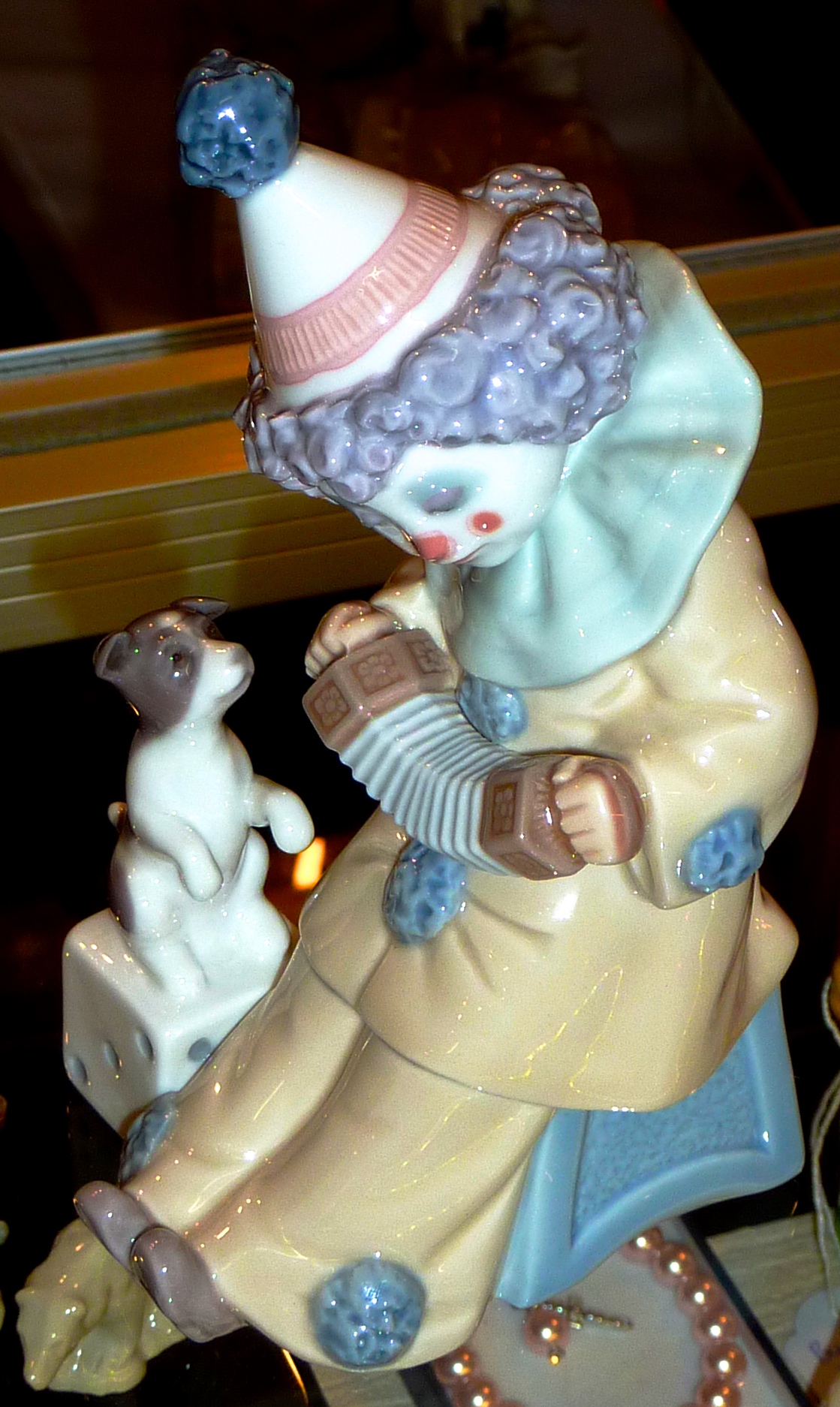
Lladró porcelain figurines are known for their soft colours, elegant forms and fine detail. Ballet dancers are among the company’s most loved subjects, from ballerinas tying pointe shoes to dancers in graceful arabesques. Here is a guide to collecting Lladró ballet figurines, checking condition and displaying them.
About Lladró
Lladró was founded in 1953 by three brothers, Juan, José and Vicente Lladró, in Almàssera near Valencia, Spain. The company became famous for hand-finished porcelain figurines with elongated, graceful figures and pale, pastel glazes. Its pieces are collected around the world, and many older models are now retired, making them sought after on the secondhand market.

Why ballet figurines are popular
Porcelain suits ballet perfectly. Its smooth surface and delicate forms capture the lightness of tulle and the long lines of a dancer. Ballet figurines are popular gifts for dancers, teachers and anyone with happy memories of dance lessons.
Identifying a genuine piece
- Backstamp: Look underneath for the Lladró mark and logo. Marks changed over the decades, which can help date a piece.
- Model number: Many figures have a model number. Collectors use reference guides and the company’s archives to identify names and dates.
- Quality: Genuine pieces have fine detail, smooth glazes and careful painting.
- Sister brands: Lladró also made lines such as NAO, which are less expensive and marked differently.
Checking condition
Condition matters a lot to value.
- Fingers and hands: These delicate parts are the most likely to break. Look closely for chips and repairs.
- Flowers and lace: Check for missing petals or edges.
- Repairs: Restored areas may look slightly different in colour or shine. Ask the seller directly.
- Crazing and stains: Look for fine cracks in the glaze.
- Original box: Boxes add value but are not essential.
Buying secondhand
Many retired figurines are sold through auctions, antique shops and online marketplaces. Ask for clear photos from every angle, including the base. Compare prices for the same model, and check return policies. Pack-and-ship quality matters, so ask how the piece will be protected.
Displaying figurines
- Use a glass cabinet to protect from dust and knocks.
- Place away from direct sunlight and heat.
- Group dancers together to create a little “stage”.
- Use soft lighting to highlight the glaze.
- Keep out of reach of small children and pets.
Cleaning porcelain
- Dust gently with a soft brush.
- For deeper cleaning, use lukewarm water with a drop of mild soap and a soft cloth.
- Avoid harsh chemicals and dishwashers.
- Dry carefully and let it air dry fully before returning to display.
Gift ideas
A Lladró ballet figurine can mark milestones such as a first recital, a graduation, a final performance or retirement from teaching.
Researching a model
Collectors use price guides, auction records and collector forums to learn a figure’s name, sculptor, year of release and retirement date. Write down the model number and backstamp style, then compare with sold listings rather than asking prices. This gives a fair idea of value and helps you spot pieces that may have been misidentified. Keep notes and photos for your records and for insurance.
Summary
Lladró ballet figurines combine Spanish craftsmanship with the grace of dance. Learn to read backstamps and model numbers, check carefully for chips and repairs, display them safely and clean them gently. They make treasured gifts and beautiful additions to any collection.
Photo credits: A Lladró porcelain figurine: Tangerineduel, CC BY-SA 4.0, via Wikimedia Commons.