
A ballet dancer’s feet are among the hardest-working feet in the world. They balance, turn, jump and rise onto pointe, often for hours each day. Strong, flexible and well-cared-for feet are essential for ballet. This guide explains what makes ballet feet special, the common problems dancers face and how to keep feet healthy.
What makes a “good” ballet foot?
Teachers often admire feet with:
- A high arch (instep): Creating a beautiful curved line when pointed.
- Flexible ankles: Allowing a full point and a deep plié.
- Strong intrinsic muscles: The small muscles inside the foot that support the arch.
- Even toe length: Toes of similar length can make pointe work more comfortable.
However, every foot is different, and dancers with all kinds of feet have successful careers. Strength and good technique matter more than a perfect shape. Very flexible feet, for example, need extra strength to stay stable.
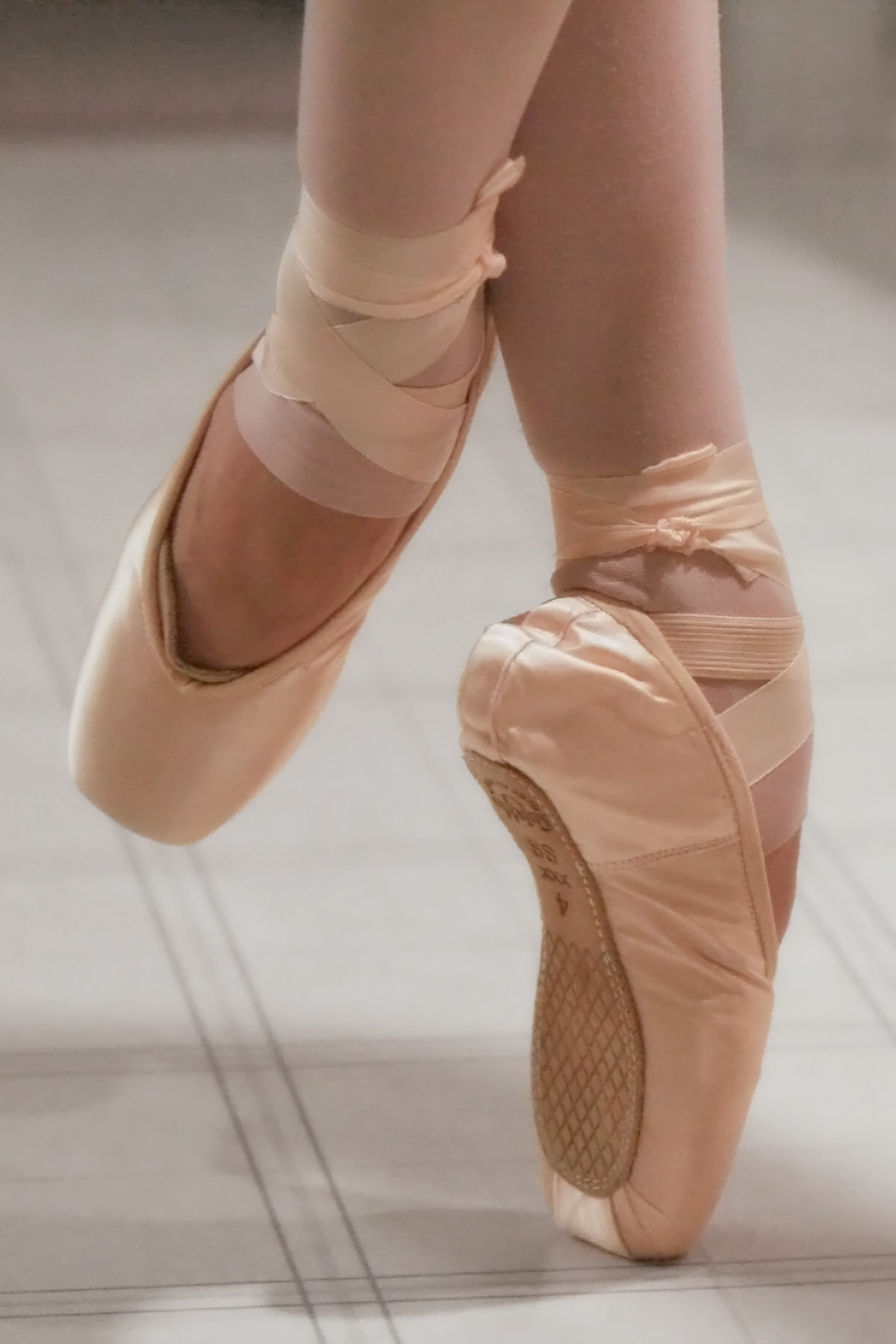

Why ballet is hard on the feet
- Pointe work places the body’s weight on the tips of the toes.
- Jumps create impact on landing.
- Turnout can strain the feet if forced from the ankles instead of the hips.
- Long hours of class and rehearsal give little time to recover.
Common foot problems for dancers
- Blisters and corns: From friction inside shoes.
- Bunions: A bony bump at the base of the big toe.
- Ingrown toenails: Often from pressure or cutting nails incorrectly.
- Bruised toenails: From pointe work and tight shoes.
- Tendinitis: Inflammation of tendons, such as the Achilles.
- Stress fractures: Tiny cracks in bones from overuse.
- Sprains: Usually from rolling the ankle.
Always see a doctor or physiotherapist for pain that does not go away.
How to care for dancer’s feet
- Wear well-fitted shoes. Get ballet slippers and pointe shoes professionally fitted and replace them when worn.
- Protect your toes. Use toe pads, spacers or tape for pointe work.
- Keep nails short and straight to prevent ingrown toenails.
- Moisturise, but not right before class, to keep skin healthy without making it too soft.
- Treat blisters carefully. Keep them clean and covered.
- Rest and recover. Soak or ice tired feet, and elevate them after long days.
- Wear supportive shoes outside the studio to give your feet a break.
Strengthening exercises
- Theraband pointing and flexing: Press against an elastic band to build strength.
- Doming: Lift the arch while keeping toes flat on the floor.
- Toe scrunches: Pick up a towel or marbles with your toes.
- Slow relevés: Rise and lower with control, on two feet and then one.
- Ankle circles: Improve mobility and control.
Starting pointe safely
Pointe work should only begin when a teacher decides a student is ready, usually around age 11 to 12 at the earliest, after several years of training. Students need strong feet, ankles and core, and good alignment. Starting too early can cause injury.
When to see a professional
See a doctor, podiatrist or dance physiotherapist if you have pain that lasts more than a few days, swelling, numbness, pain that wakes you at night, or pain in one spot on a bone, which can be a sign of a stress fracture. Early treatment usually means a faster return to dancing. Many dance schools can recommend specialists who understand the demands of ballet.
Summary
Ballet dancer feet are strong, flexible and hard-working, but they need care. Wear well-fitted shoes, protect your toes, strengthen your feet and rest when needed. With good habits, your feet will support you through years of happy dancing.


Photo credits: A dancer's feet in pointe shoes: Lambtron (talk) The original uploader was Lambtron at English Wikipedia., Public domain, via Wikimedia Commons; Ballet slippers on a studio floor: Lambtron, CC BY-SA 4.0, via Wikimedia Commons.